Welcome here
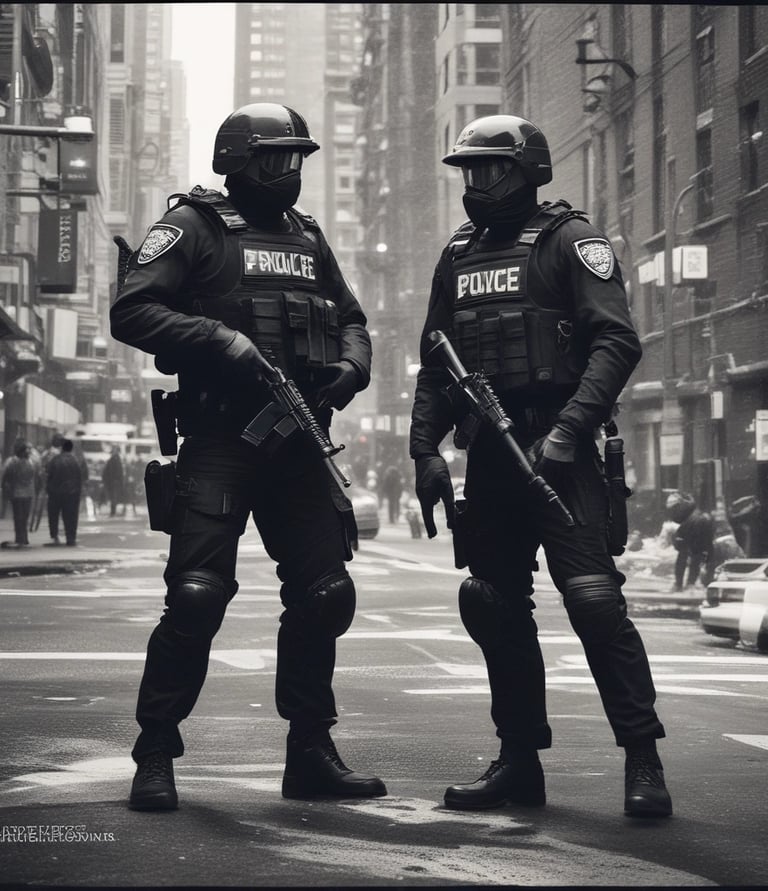
This is a simple, clean inside page layout with text and an image on the top left.
Protecting the force’s reputation is a narrative created by the police. It is often a convenient story told by police leadership. It frames misconduct as if the institution itself is being defended, rather than individuals protecting themselves, their friends, or their careers. In practice:
It shifts blame away from leaders. Saying “we must protect the force” makes corruption or cover-ups seem like a duty, not a personal choice.
It hides self-interest. Most of the time, people are shielding themselves or their close colleagues, not some abstract “force.”
It reinforces fear. Rank-and-file officers are told that speaking out hurts the organisation, which discourages whistleblowing, even when the real risk is personal career damage.
It obscures accountability. By presenting it as institutional protection, leaders can claim they’re acting for the greater good, when actually they’re avoiding scrutiny.
So, while it can sound like a noble justification, the evidence—like Casey and other investigations—points to it being a narrative to normalise self-protection and silence, rather than a true effort to safeguard public service or the police institution.